The Benefits of Knowing ai-driven asset recovery
Wiki Article
AI-Driven Asset Recovery: Revolutionising Reverse Logistics Through Intelligent Automation
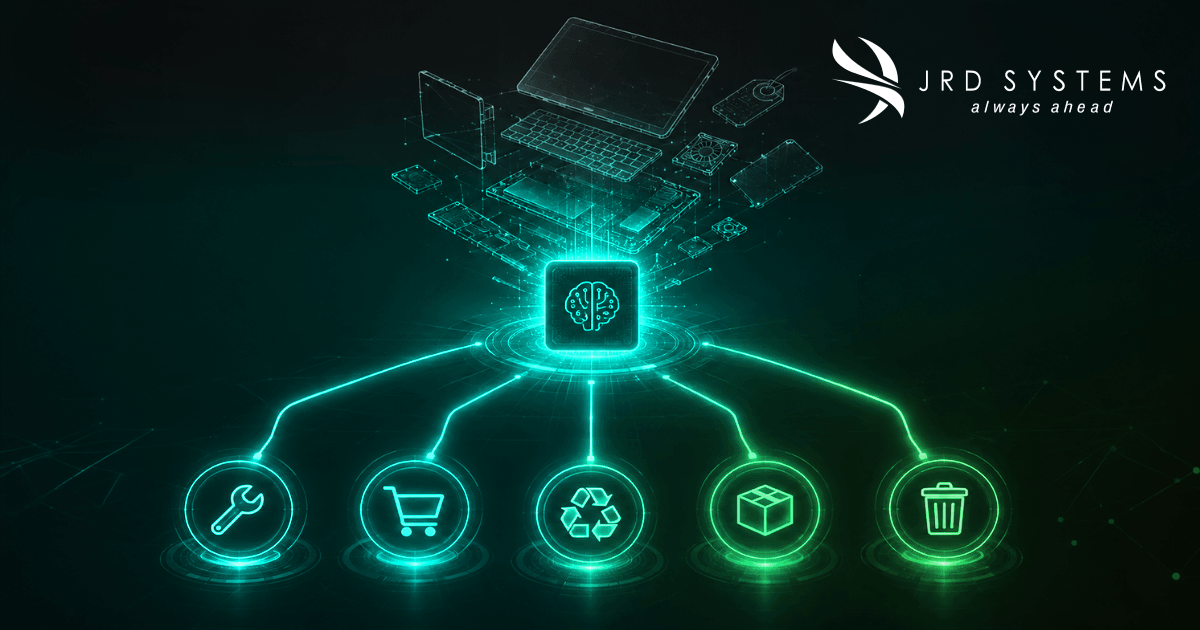
In today’s fast-evolving business landscape, reverse logistics has become a essential function for organisations aiming to recover value, reduce waste and improve operational efficiency. The emergence of ai-driven asset recovery has created a major shift in the way businesses handle returned, surplus or end-of-life assets. Through the combination of advanced analytics, machine learning and automation, organisations can now optimise recovery processes, improve decision-making and maximise returns. With increasing pressure to improve sustainability and profitability, integrating Agentic AI Solutions into reverse logistics is no longer optional but essential for forward-thinking enterprises.
The Growing Importance of Reverse Logistics
Reverse logistics has evolved from a secondary operational concern into a strategic priority. Organisations are managing larger volumes of returns driven by e-commerce growth, shorter product lifecycles and changing consumer expectations. Conventional processes often depend on manual sorting, inconsistent evaluation and delayed decision-making, which results in inefficiencies and lost value.
By adopting intelligent automation, organisations can streamline these processes and reduce operational bottlenecks. By leveraging data and predictive models, companies can assess asset conditions quickly, determine optimal recovery paths and execute decisions with greater speed and accuracy. This shift not only improves profitability but also enhances customer satisfaction and environmental responsibility.
Understanding AI-Driven Asset Recovery
AI-driven asset recovery refers to the use of advanced artificial intelligence technologies to manage and optimise the lifecycle of returned, excess or surplus assets. This approach relies on real-time data, predictive analytics and automation to identify the most valuable recovery option for each asset, whether that involves resale, refurbishment, recycling or disposal.
Unlike conventional methods, AI systems continuously learn from historical data and changing trends. This allows them to make increasingly accurate recommendations over time. Businesses benefit from improved asset visibility, reduced processing time and higher recovery value, making the entire reverse logistics cycle more efficient and sustainable.
The Role of AI-Driven Disposition Intelligence
One of the most transformative aspects of modern reverse logistics is AI-driven disposition intelligence. This capability is centred on identifying the best possible outcome for each returned asset based on its condition, market demand and cost factors.
With AI-driven disposition intelligence, organisations can analyse multiple variables simultaneously. These variables include product condition, refurbishment costs, resale value and logistics expenses. By assessing these factors in real time, AI systems can recommend the most profitable and sustainable course of action.
This form of intelligent decision-making reduces dependence on manual assessments and removes inconsistencies. As a result, businesses can achieve faster processing times, minimise errors and ensure that every asset is handled in the most optimal way.
Improving Efficiency with Intelligent Automation
The integration of intelligent automation into reverse logistics workflows significantly improves operational efficiency. Automation reduces repetitive tasks, accelerates asset processing and enables employees to focus on higher-value activities.
For example, automated systems can categorise returned products, assess their condition using image recognition and assign appropriate recovery paths. This reduces the need for manual intervention while ensuring consistency across operations. In addition, automated workflows can manage inventory updates, logistics coordination and reporting, which further streamlines the process.
By adopting intelligent automation, organisations can reduce operational costs while increasing throughput. This results in faster turnaround times and stronger overall performance.
The Impact of Agentic AI Solutions
Agentic AI Solutions represent the next generation of artificial intelligence, where systems act autonomously to achieve defined goals. In the context of reverse logistics, these solutions can make independent decisions, coordinate actions and continuously optimise processes without constant human oversight.
Agentic AI systems can monitor asset flows, identify inefficiencies and adjust strategies in real time. For instance, if market conditions change or demand shifts, the system can automatically update disposition strategies to maximise value recovery. This level of adaptability ensures that organisations remain agile and responsive in a dynamic environment.
The implementation of Agentic AI Solutions also enhances scalability. As businesses grow and handle larger volumes of returns, these systems can manage increased complexity without compromising performance.
Driving Sustainability Through AI Innovation
Sustainability is a major focus for modern businesses, and ai-driven asset recovery plays a key role in achieving environmental goals. By optimising asset reuse, refurbishment and recycling, organisations can reduce waste and minimise their environmental footprint.
AI systems help identify opportunities to extend product lifecycles and reduce dependence on raw materials. This not only supports sustainability initiatives but also contributes to cost savings. Businesses can recover more value from existing assets while lowering disposal costs.
Furthermore, intelligent automation ensures that environmentally responsible decisions are consistently applied across operations. This alignment between profitability and sustainability makes AI-driven solutions highly valuable for organisations seeking long-term success.
Data-Driven Decision Making in Reverse Logistics
One of the primary advantages of AI integration is its ability to support data-driven decision-making. Traditional reverse logistics often relies on fragmented data and manual judgement, which can lead to inconsistent outcomes. In contrast, AI systems aggregate and analyse data from multiple sources to provide actionable insights.
With AI-driven disposition intelligence, organisations gain a comprehensive view of asset performance, market trends and operational efficiency. This enables more informed decision-making and reduces uncertainty. Businesses can forecast demand, optimise inventory and plan recovery strategies with greater confidence.
Data-driven insights also support continuous improvement. By analysing performance metrics and identifying areas for enhancement, organisations can refine their processes and achieve better results over time.
How JRD Systems Supports AI Transformation
jrd systems has been instrumental in advancing the adoption of AI technologies within reverse logistics. By focusing on innovation and practical implementation, the organisation helps businesses transition from traditional processes to modern, AI-driven frameworks.
Through the use of Agentic AI Solutions and intelligent automation, jrd systems enables organisations to unlock the full potential of their reverse logistics operations. Its approach emphasises scalability, adaptability and measurable outcomes, ensuring that businesses can achieve both immediate improvements and long-term growth.
By integrating ai-driven asset recovery strategies, organisations can improve operational efficiency, increase profitability and build more resilient supply chains.
Overcoming Challenges in Implementation
Although the benefits of AI are significant, implementing these technologies can present challenges. Organisations may encounter issues related to data integration, system compatibility and workforce adaptation. However, these challenges can be addressed through careful planning and strategic investment.
A phased implementation approach allows businesses to gradually integrate AI capabilities while minimising disruption. Training programmes and change management initiatives also play a crucial role in ensuring successful adoption. By equipping employees with the necessary skills and knowledge, organisations can maximise the impact of AI technologies.
Collaboration between technology providers and businesses is essential for overcoming these challenges. With the right support and expertise, organisations can successfully transition to AI-driven operations.
The Future of Reverse Logistics with AI
The future of reverse logistics is closely linked to the continued advancement of artificial intelligence. As AI technologies continue to evolve, they will offer even greater capabilities in automation, predictive analytics and decision-making.
Agentic AI Solutions will become more sophisticated, enabling fully autonomous operations that adapt to changing conditions in real time. This will further improve efficiency, reduce costs and strengthen sustainability outcomes. Businesses that embrace these innovations will be better positioned to compete in an increasingly complex and dynamic market.
The integration of AI into reverse logistics is not merely a technological upgrade but a strategic transformation. It represents a move towards smarter, ai-driven asset recovery more efficient and more sustainable operations.
Conclusion
The adoption of ai-driven asset recovery is redefining reverse logistics by introducing advanced intelligence, automation and adaptability. Through AI-driven disposition intelligence, Agentic AI Solutions and intelligent automation, organisations can optimise asset recovery processes, improve decision-making and achieve greater efficiency. With support from innovators such as jrd systems, businesses can navigate implementation complexities and unlock significant value. As the demand for sustainable and efficient operations continues to grow, AI-driven strategies will play a central role in shaping the future of reverse logistics. Report this wiki page